Most schools name character strengths explicitly; empathy, respect, responsibility. Naming a strength and forming it are two different things.
While character is something we talk about, creativity and academic skill are something we practise, through structured, repeated tasks with feedback. My current research asks whether that gap matters, and whether creative problem-solving might be one of the few classroom activities that can build both at once providing we make it explicit.
Creativity is neutral. It’s a capacity for generating ideas, seeing multiple perspectives, and constructing new solutions, which can be used well or poorly. What determines the difference isn’t the creative skill itself, but the character strengths that shape how a young person chooses to use it: empathy, respect, responsibility, self-regulation.
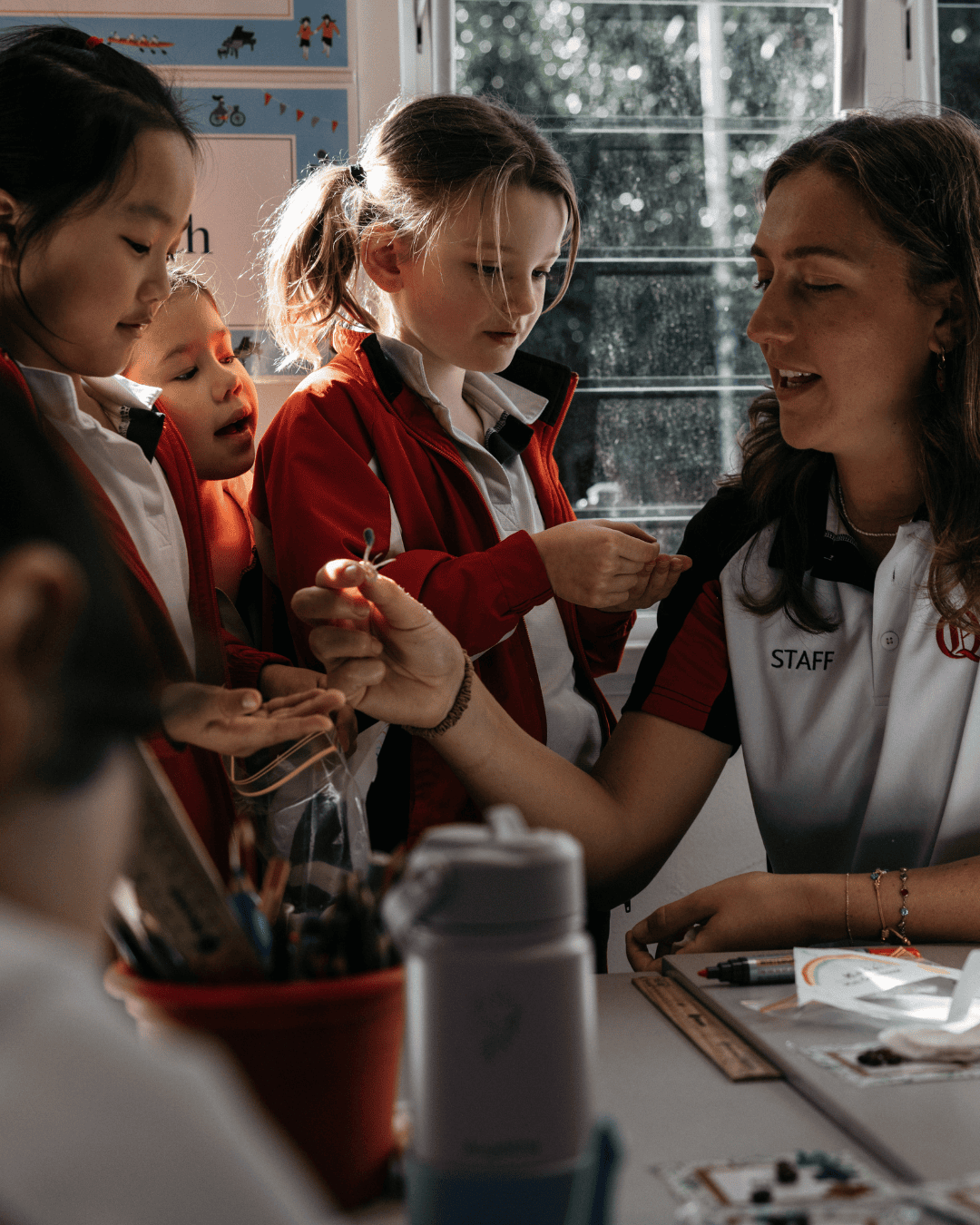
This is the premise behind an action research project I’m developing with primary school students. A program that uses creative problem-solving as the vehicle for forming virtues alongside skills. Students are given real, age-appropriate social challenges to think through, practising the habits of creative thinking (generating ideas, testing them, refining them through feedback), while also practising the character dispositions that determine whether those ideas are used constructively.
One of the contexts I’m testing this in is peer relationships and conflict, giving students the chance to generate their own constructive responses to social challenges, rather than simply being told the ‘right’ way to behave.
However, the underlying goal is broader than any single context: I want to understand whether explicitly teaching creativity alongside virtue formation affords students more confidence, agency, and a stronger sense of who they can become, in the classroom and beyond it.
If we want our students to be capable, resourceful and grounded, shouldn’t creativity and virtues be taught as one?